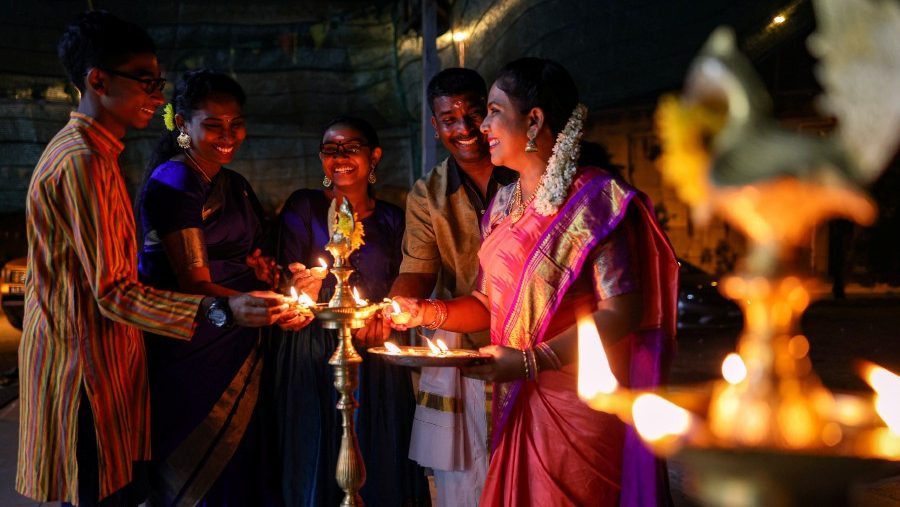
Deepavali, also known as the Festival of Lights, is an annual Hindu festival celebrated by the Malaysian Indian community. Celebrated with traditional oil lamps, colourful kolam decorations, temple prayers, festive food and open houses, it symbolises the triumph of good over evil and light over darkness, bringing families and communities together. In 2026, the festival falls on 8 November, offering visitors an opportunity to experience Malaysian Indian culture through festive neighbourhoods, shopping mall decorations and cultural attractions.
Here’s what to know about Deepavali traditions, celebrations and things to do in Malaysia.
When Is Deepavali Celebrated in Malaysia?
In 2026, Deepavali in Malaysia falls on Sunday, 8 November 2026. Unlike festivals that follow a fixed Gregorian calendar date, Deepavali follows the Hindu lunisolar calendar. It generally falls in October or November, around Amavasya, the new moon day in the Hindu month of Kartika. Its exact date changes every year.
Deepavali vs Diwali: What’s the Difference?
If you’ve come across both terms, you might wonder whether Deepavali and Diwali refer to two different festivals. The answer is no! They are two names for the same celebration, with the difference largely rooted in regional language and cultural traditions. In Malaysia, Deepavali is the more commonly used name, reflecting the influence of the country’s Indian community, particularly its Tamil-speaking population.
| Deepavali | Diwali |
|---|---|
| The celebration name in Tamil | The celebration name in Hindi |
| More commonly used by South Indians | More commonly used by North Indians |
| Derived from the Sanskrit words Deepa and Avali | A shortened form of Deepavali |
| Means a row or series of lights | Carries the same meaning |
Although the festival is celebrated under the same name, traditions and religious stories can differ between regions and communities. This is why Deepavali celebrations in Malaysia may look slightly different from those in other parts of India.
How Long Is a Deepavali Celebration?
While the main Deepavali celebration in Malaysia lasts for one day, some Hindu communities observe it as part of a five-day festival.
The five days are commonly associated with the following observances:
- Dhanteras: Associated with wealth, prosperity, and the purchase of precious items.
- Naraka Chaturdashi: Commemorates Lord Krishna’s defeat of Narakasura.
- Lakshmi Puja: Dedicated to Goddess Lakshmi, who is associated with wealth and prosperity. This is the main Diwali day in many traditions.
- Govardhan Puja: Associated with Lord Krishna and the Govardhan Hill.
- Bhai Dooj: Celebrates the special bond between brothers and sisters.
The names, order, and practices may differ across regional traditions. Not every Malaysian Hindu family observes all five days, so the celebrations you experience locally may focus mainly on the main festival day.
How Is Deepavali Celebrated in Malaysia?
Deepavali celebrations in Malaysia combine religious traditions, family customs, and the country’s multicultural spirit. Here are some traditions you may encounter during Deepavali in Malaysia:
1. Lighting Oil Lamps (Agal Vilakku)
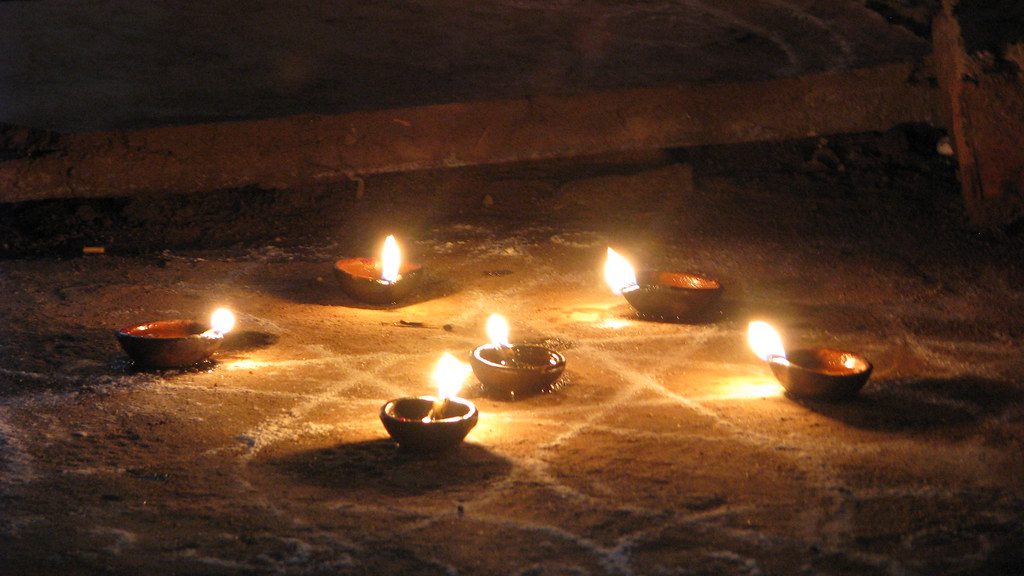
Rows of glowing oil lamps (agal vilakku in Tamil) are among the most recognisable symbols of Deepavali. Traditionally, these lamps are made from clay and filled with oil, with a cotton wick inside to produce a flame.
Placing these lamps around homes, entrances and prayer spaces symbolises hope, positivity and the victory of good over evil. It is also a reminder to overcome ignorance and welcome knowledge, just as a small flame can brighten a dark space.
2. Creating Kolam: The Colourful Doorstep Artwork
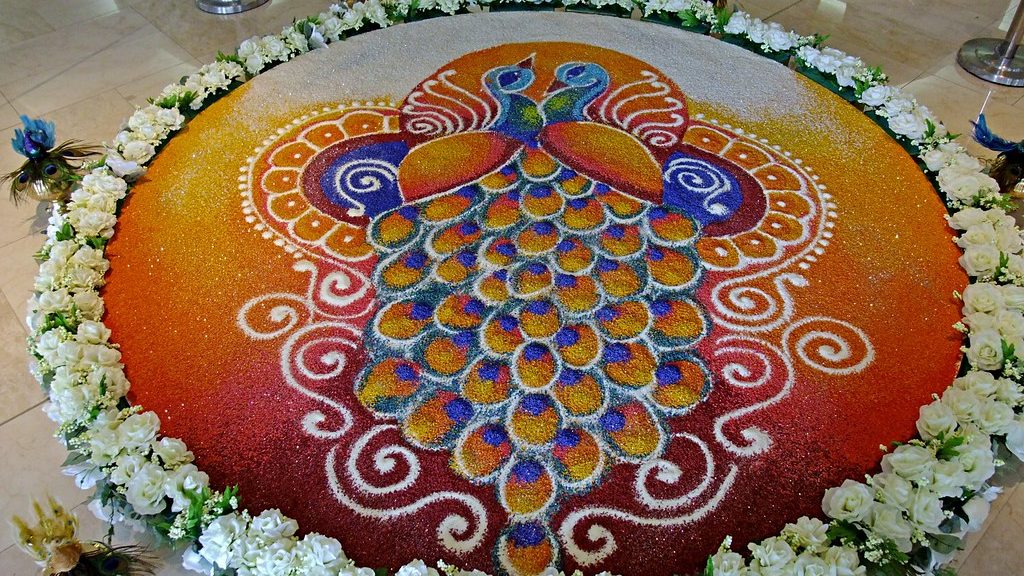
One of the most beautiful sights during Deepavali is kolam, a traditional floor art created near the entrance of homes to welcome guests and mark the festive occasion.
Made using rice flour, coloured powders, or flower petals, kolam features intricate patterns ranging from simple geometric shapes to elaborate symmetrical designs. Beyond its decorative purpose, rice-flour kolam is also believed to provide food for small creatures like ants and birds, reflecting generosity and harmony with nature.
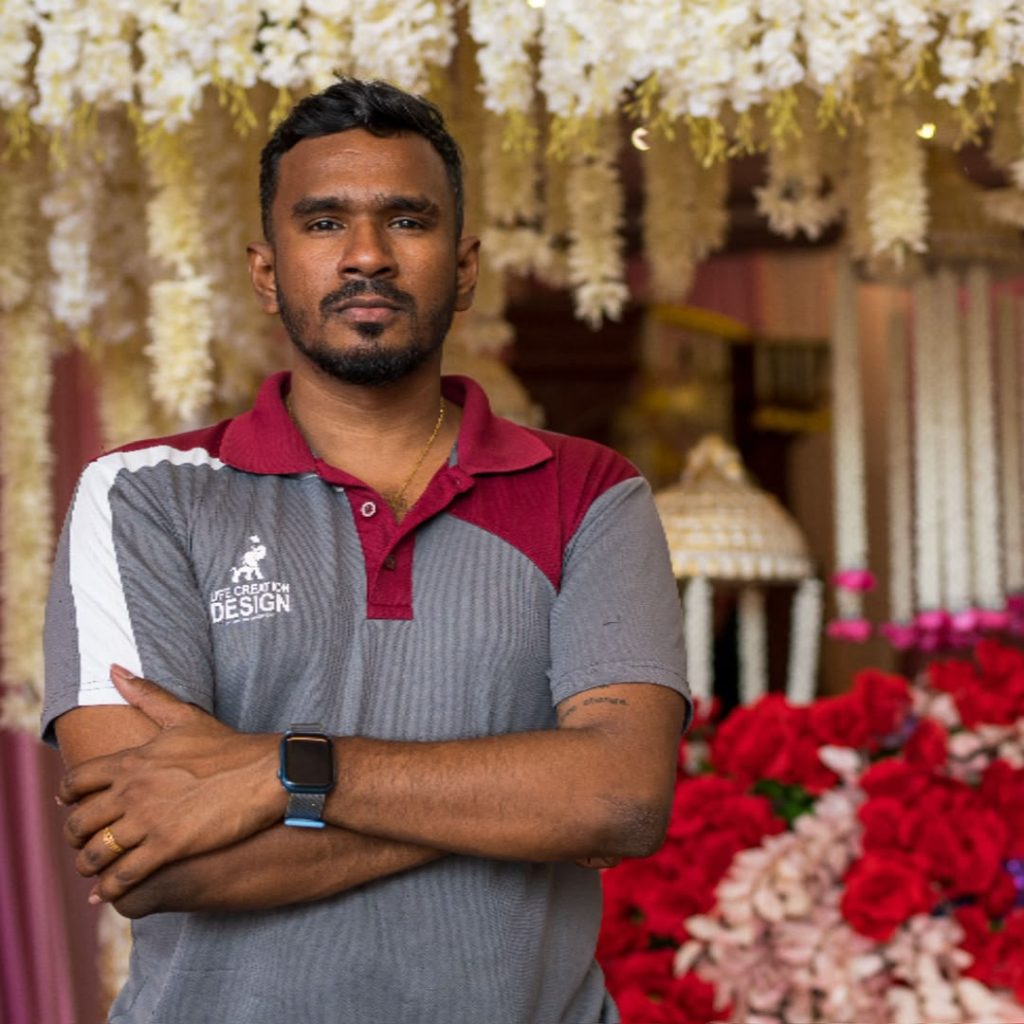
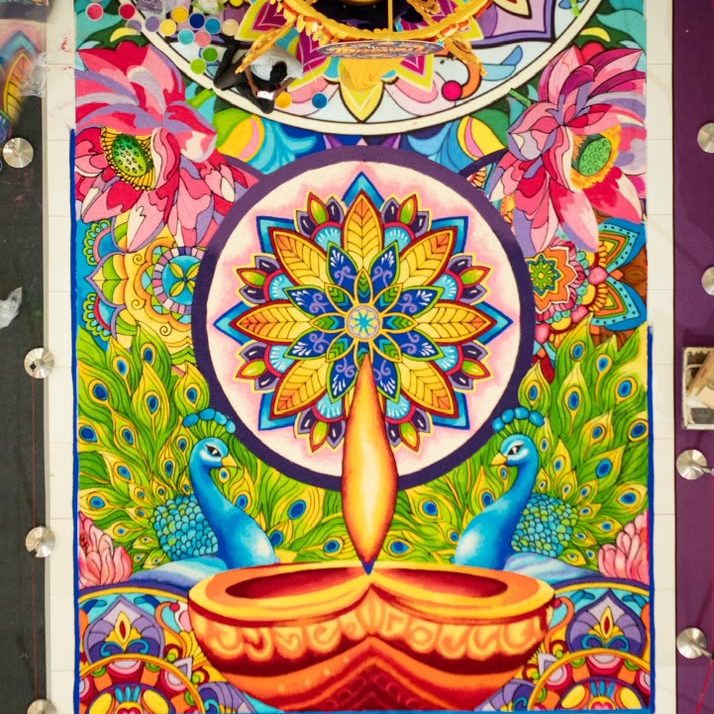
Today, kolam has become a popular feature of Deepavali celebrations across Malaysia, with shopping malls and public spaces showcasing elaborate installations for visitors to admire. One notable example is Malaysian kolam artist A. Sivabalan Arumugam, who earned recognition in the Malaysia Book of Records for creating a single kolam using 100 different colours. His record-breaking artwork, displayed at NU Sentral Kuala Lumpur, highlights the creativity and craftsmanship behind this traditional art form.
3. Cleaning and Decorating Homes
Before Deepavali, families begin preparing their homes by cleaning, organising, and sometimes refreshing their living spaces with new furniture or decorations. A clean and welcoming home is believed to invite Goddess Lakshmi, who represents wealth and prosperity.
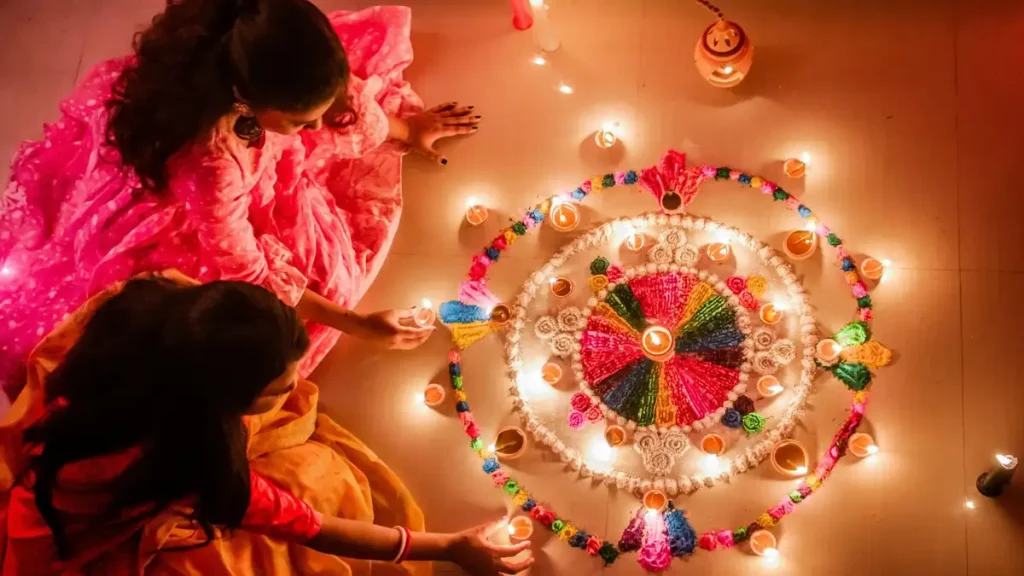
Homes are often decorated with colourful lights, flowers, and traditional oil lamps to create a warm and festive atmosphere.
4. Taking a Traditional Morning Oil Bath
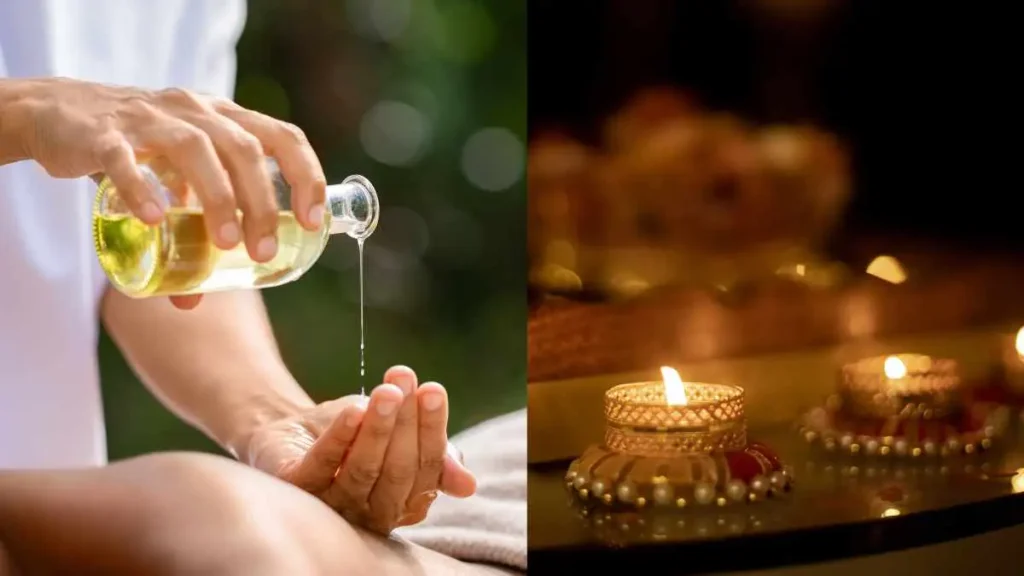
Here’s a Deepavali tradition that people outside the community may not be familiar with. In many households, Deepavali begins with an early-morning ritual oil bath known as Ganga Snanam. It involves applying warm sesame oil (nallennai) to the head and body before washing it with seeyakai.
The ritual is believed to symbolise purification and renewal, allowing devotees to welcome the festival with a fresh mind and body.
5. Seeking Blessings from Elders (Asirvatham)
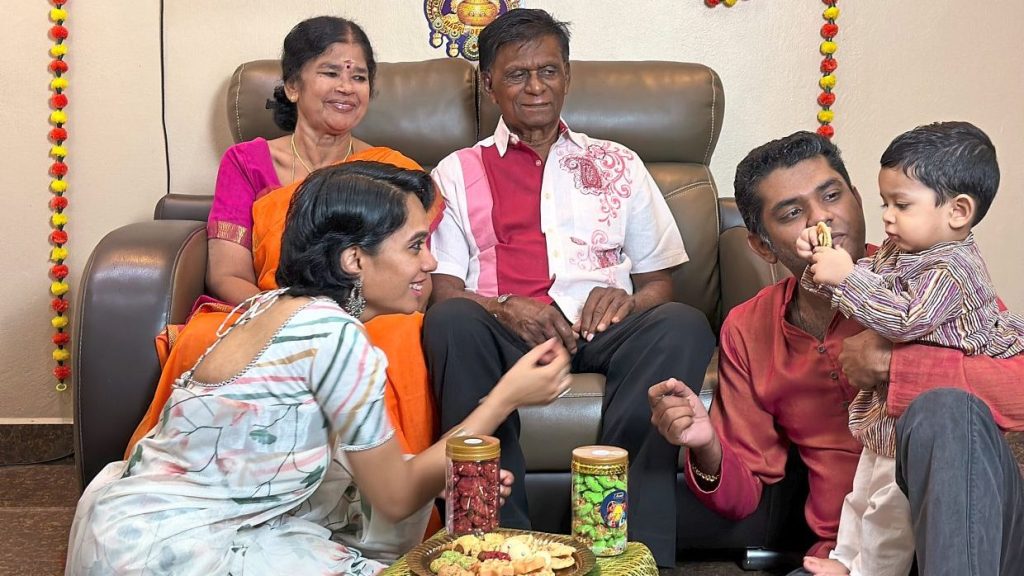
Respect for elders is an important value in many Indian families, and Deepavali offers another opportunity to seek their blessings. In Tamil households, younger family members receive asirvatham from the elders.
6. Visiting Temples and Performing Prayers
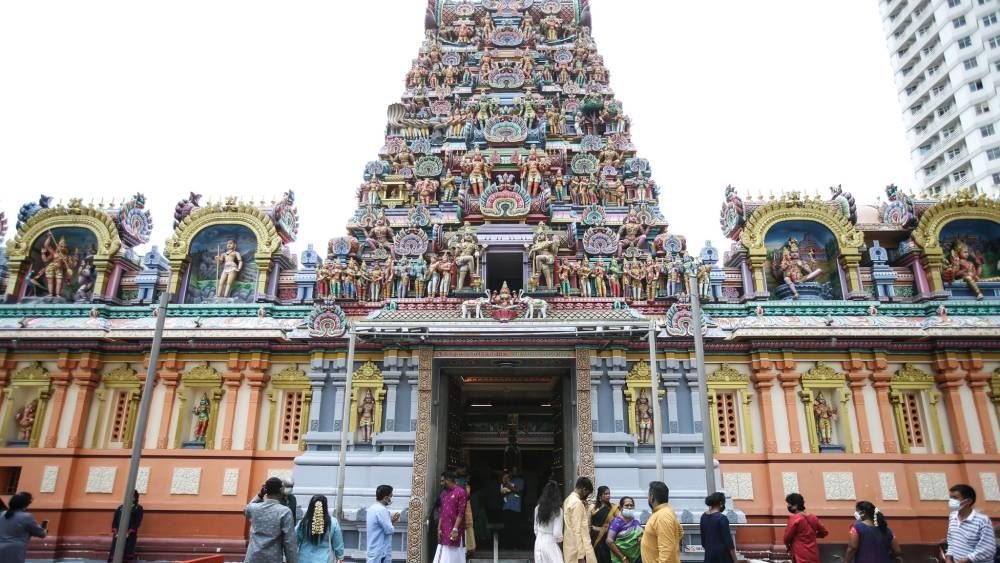
For many Hindus, Deepavali begins with prayers and religious observances. Families visit Hindu temples (kovil) early in the morning to offer flowers, fruits, and other offerings while seeking blessings for the year ahead. These prayers are often centred on health, happiness, prosperity, and family well-being.
7. Wearing New Traditional Clothes
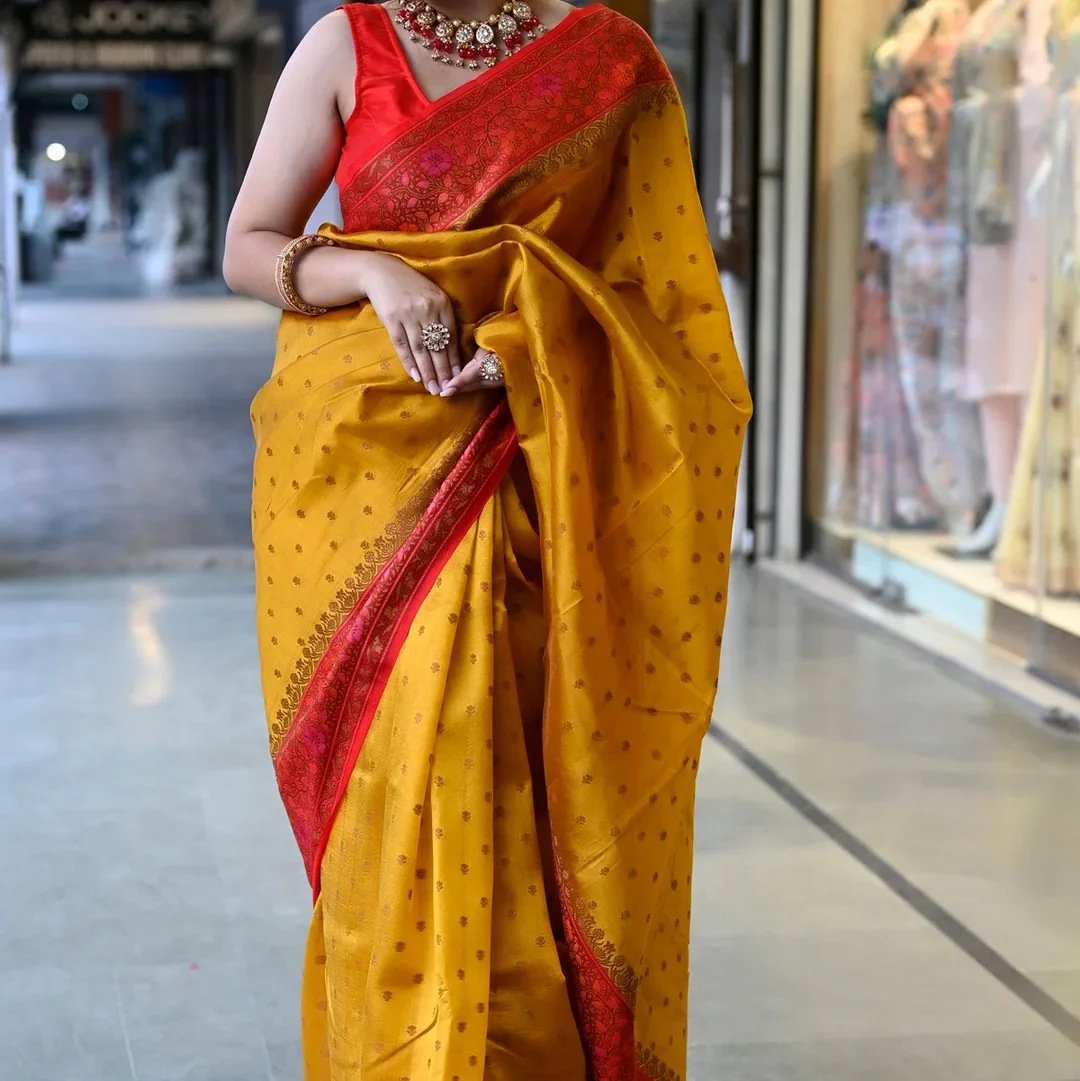
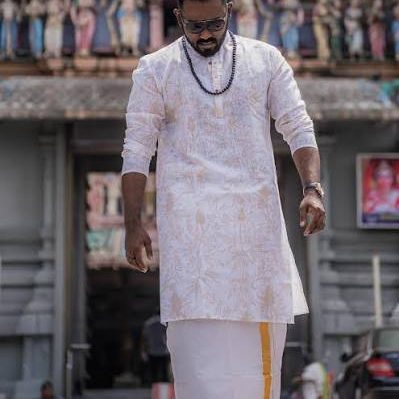
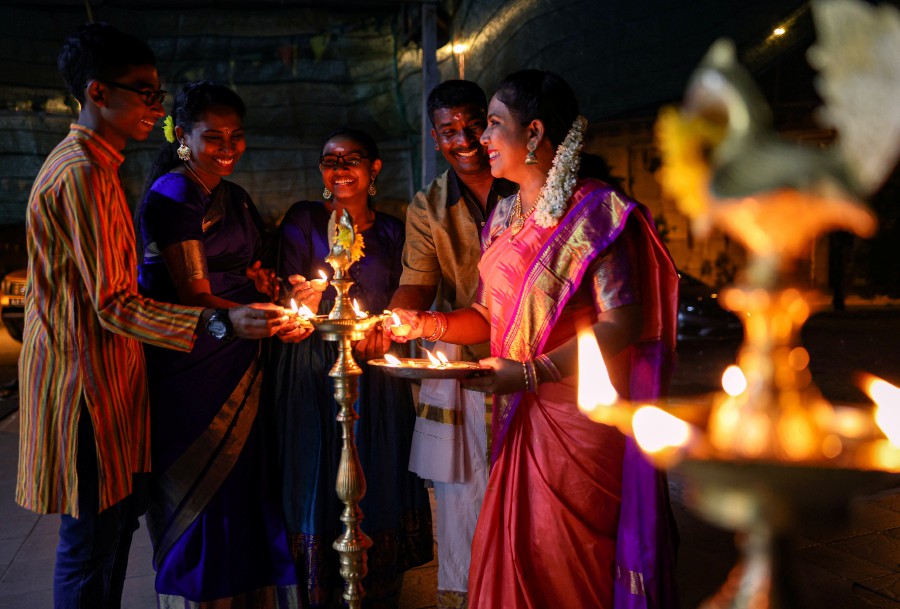
Deepavali is also an occasion to dress up. Purchasing new clothes ahead of the celebration is a symbol of fresh beginnings and a positive start. On the first day of Deepavali, you may see women wearing colourful sarees, while men often dress in traditional jippa and veshti.
8. Hosting Open Houses and Sharing Festive Treats
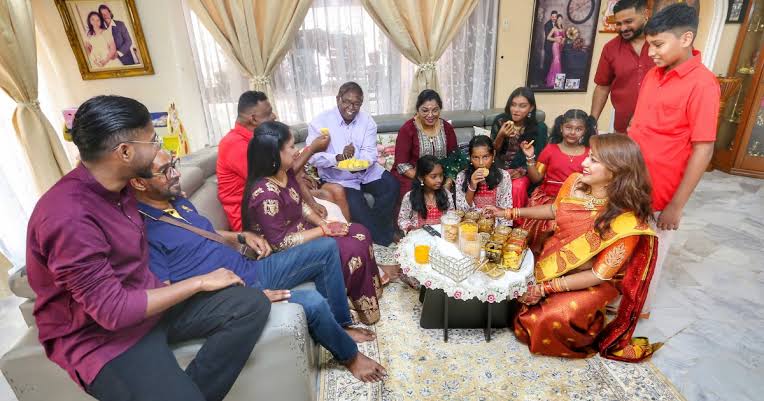
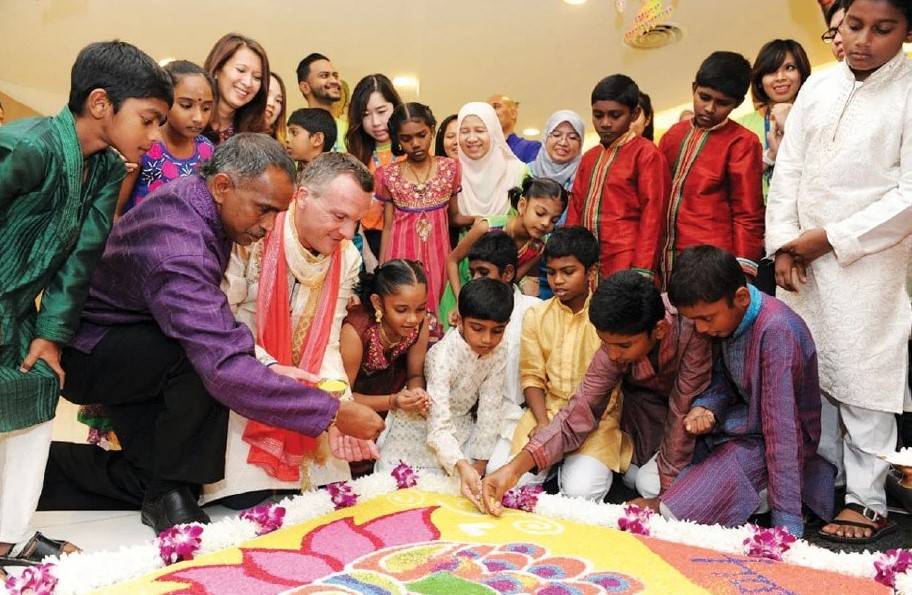
Throughout Deepavali, families visit relatives and friends, exchange gifts and money, as well as enjoy meals together. In Malaysia, many households organise open houses, welcoming guests from different ethnic and religious backgrounds, highlighting the country’s multicultural spirit. Some families prepare and share homemade snacks such as murukku with their neighbours.
What Food Is Served During Deepavali in Malaysia?
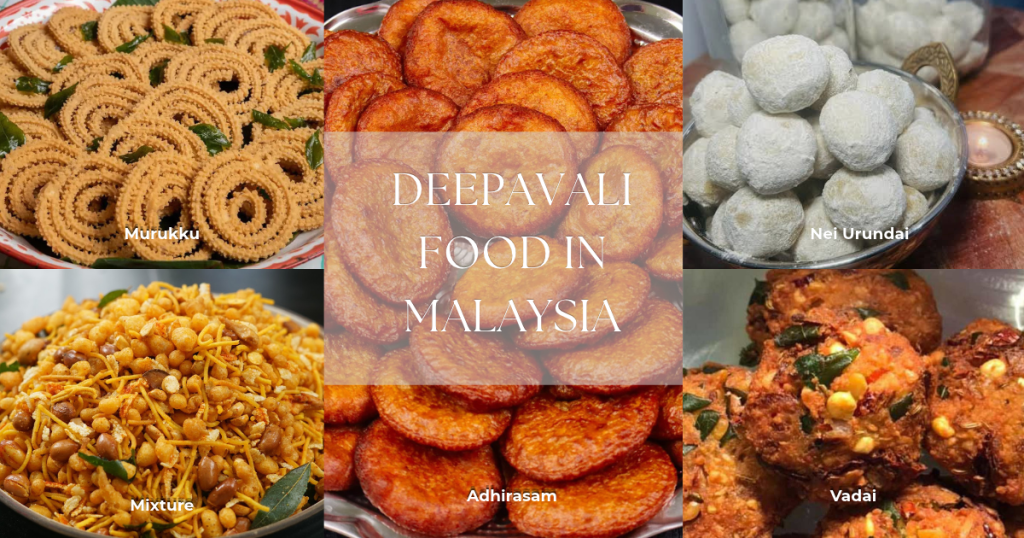
No Deepavali celebration feels complete without a table full of festive treats! From crunchy savoury snacks to rich traditional sweets, food plays an important role in bringing families and friends together. Here are some popular treats you may come across:
- Murukku: A crunchy, savoury spiral snack made from rice flour and urad dal flour.
- Adhirasam: A traditional sweet made using rice flour and jaggery.
- Nei Urundai: Melt-in-your-mouth sweet balls made with ghee and other ingredients.
- Mixture: A crunchy savoury snack combining ingredients such as fried noodles, nuts, and spices.
- Vadai: A savoury fried snack commonly made from lentils.
Where to Experience Deepavali in Malaysia
Malaysia has several Indian cultural districts and shopping destinations, including Brickfields, Georgetown, and Ipoh, as well as shopping malls nationwide.
1. Little India, Brickfields, Kuala Lumpur
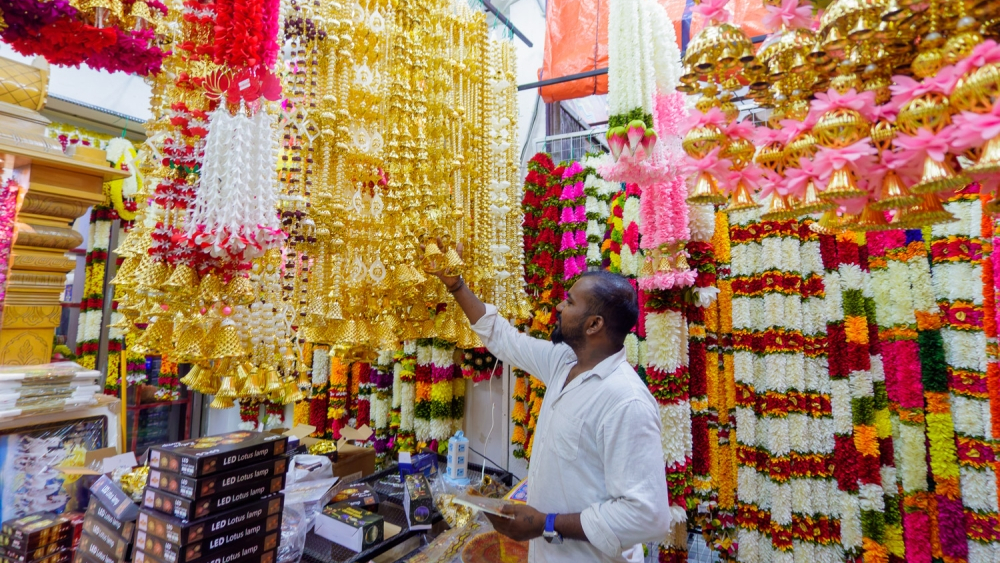
- One of Malaysia’s best-known Indian cultural neighbourhoods
- Becomes more vibrant with decorations, festive lights, and traditional displays during Deepavali
- The best place to shop for sarees, traditional accessories, and Indian food
2. Little India, Klang, Selangor
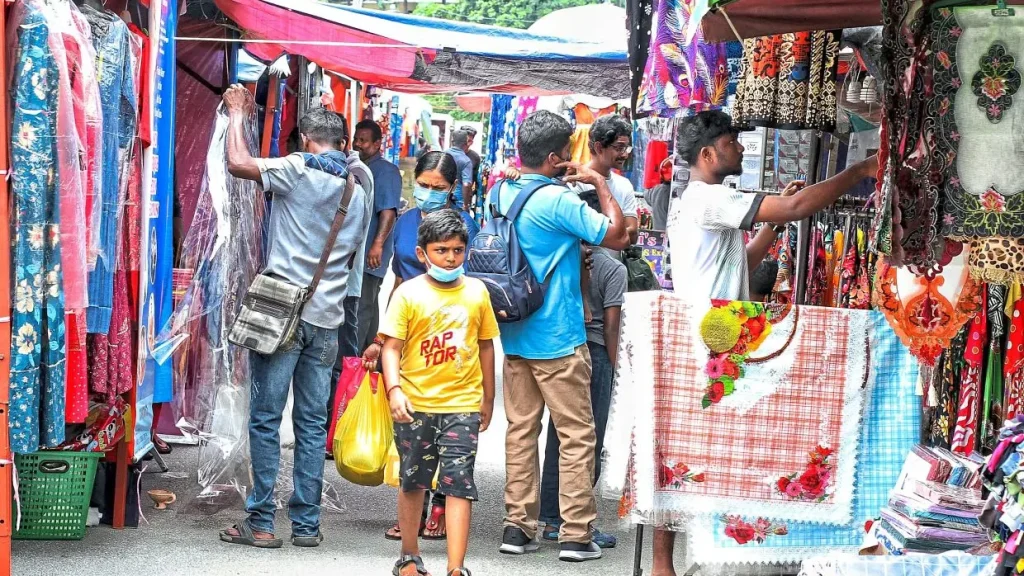
- A destination to consider if you’re in Selangor during Deepavali
- Less touristy than Brickfields, but still a good place to discover Indian products, festive attire, and Indian cuisine
3. Little India, Georgetown, Penang
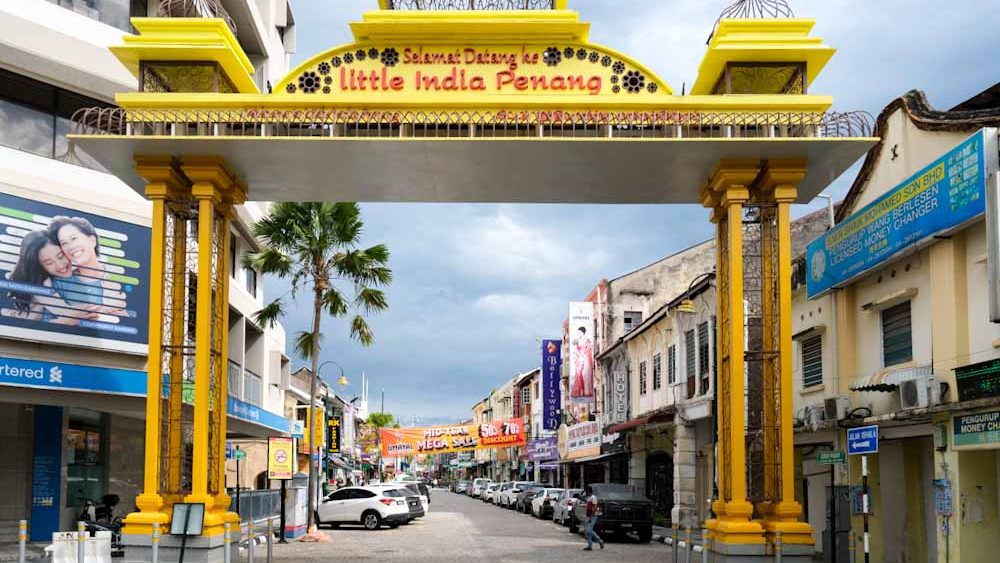
- Offers a glimpse of the state’s Indian heritage and multicultural identity besides Penang’s famous food and heritage streets
- Filled with traditional Indian shops, restaurants, flower vendors, and businesses selling spices and festive essentials
4. Little India, Ipoh, Perak
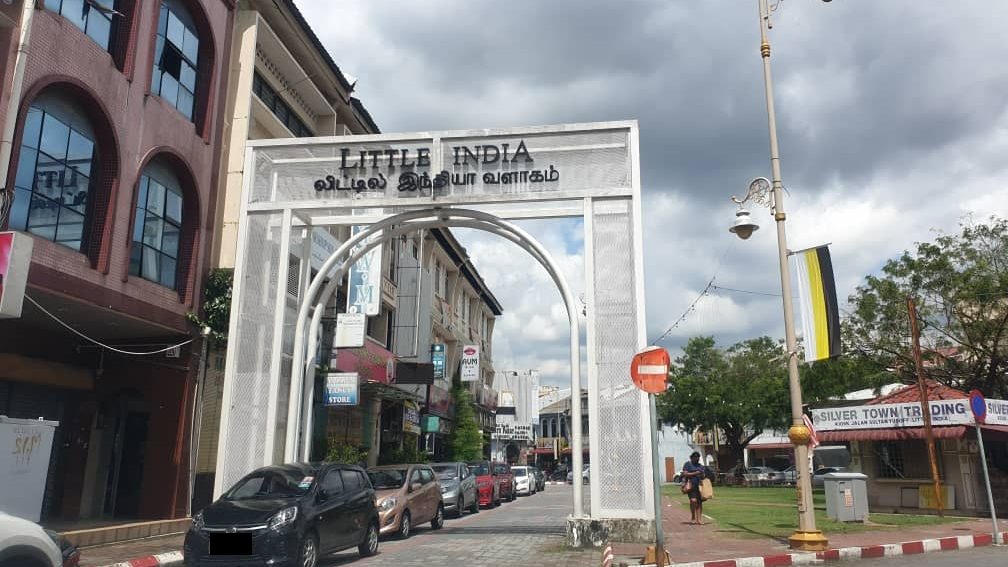
- Another destination to explore Malaysian Indian culture through traditional shops, local eateries, and heritage surroundings
- Offers opportunities to discover Indian snacks, clothing, and everyday products while enjoying the local atmosphere
5. Shopping Malls with Grand Deepavali Decorations
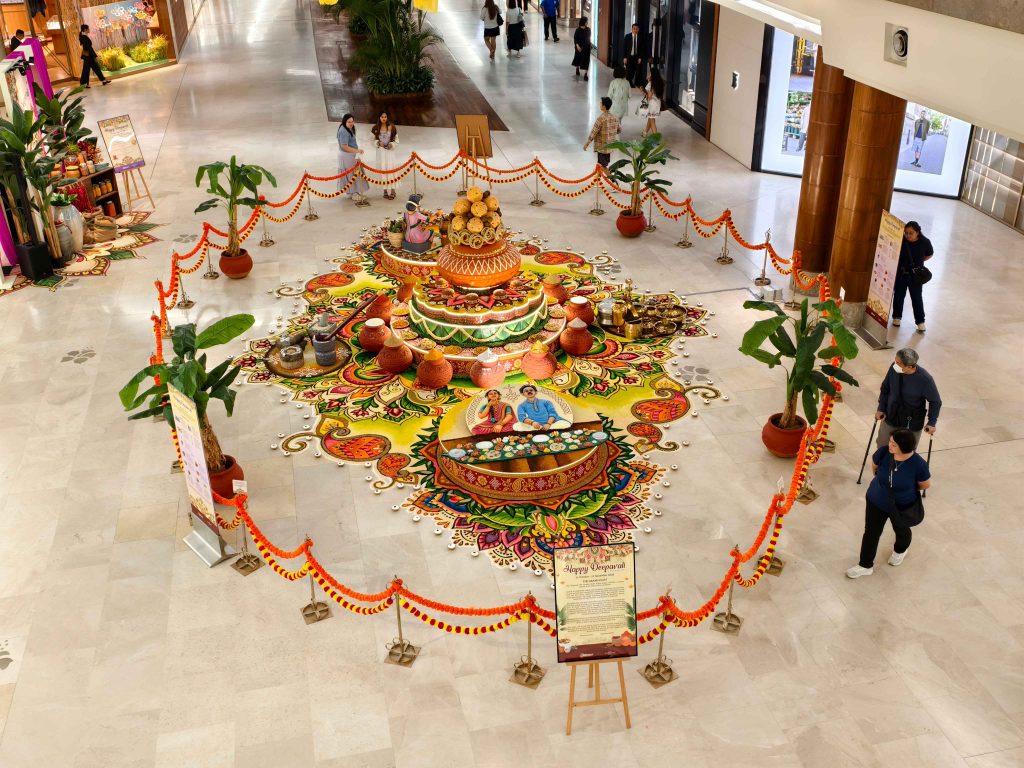
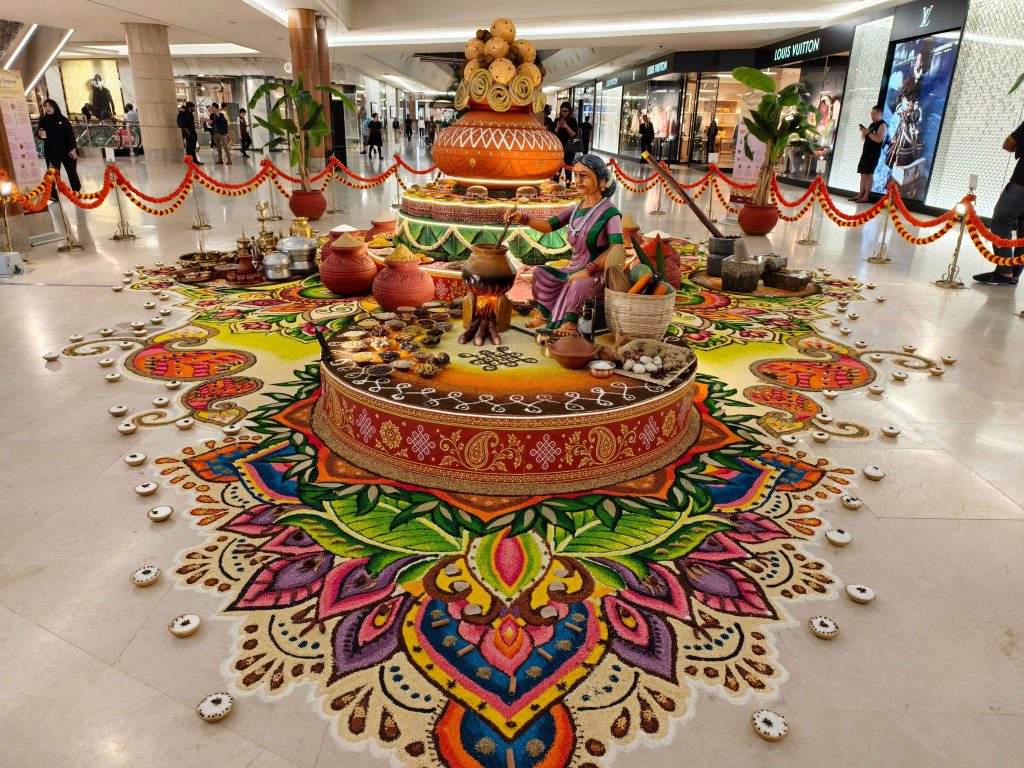
- Malaysia’s shopping malls are known for going all out during festive seasons, including Deepavali
- Witness colourful cultural showcases, elaborate kolam displays, traditional motifs and photo-worthy installations
Malaysian malls with the grandest Deepavali decorations include, but are not limited to:
- The Gardens Mall
- Pavilion Kuala Lumpur
- The Exchange TRX
- Pavilion Bukit Jalil
- AEON Mall Tebrau City
- Berjaya Times Square
- NU Sentral
- IOI City Mall
More Things to Do in Kuala Lumpur During Deepavali
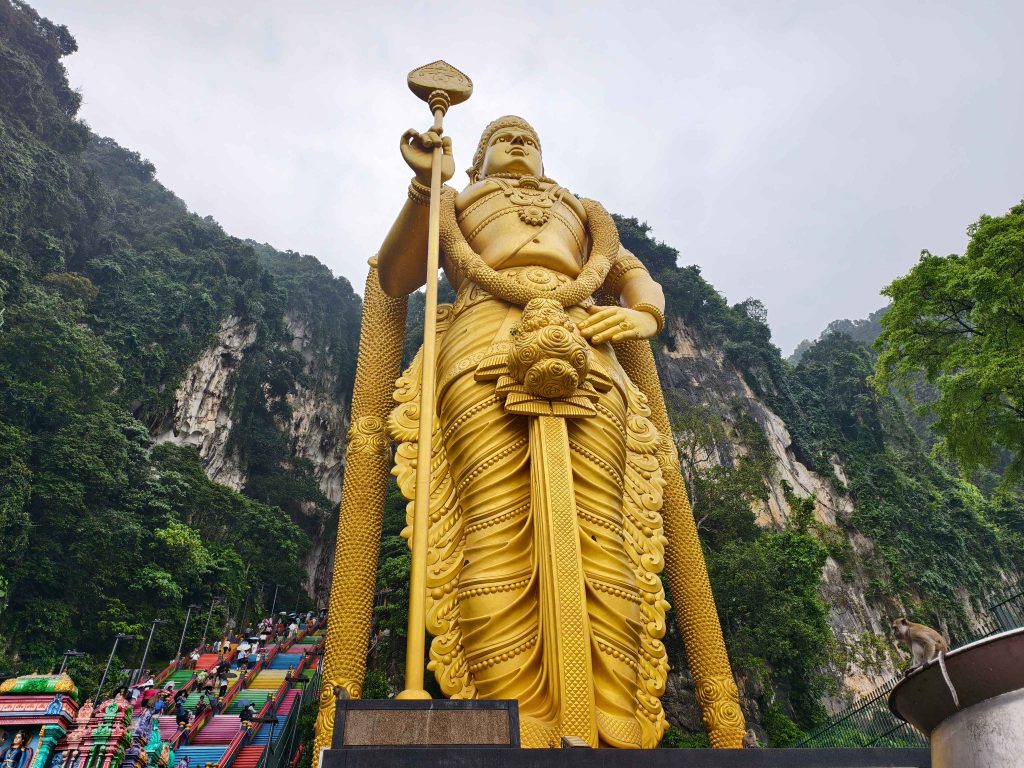
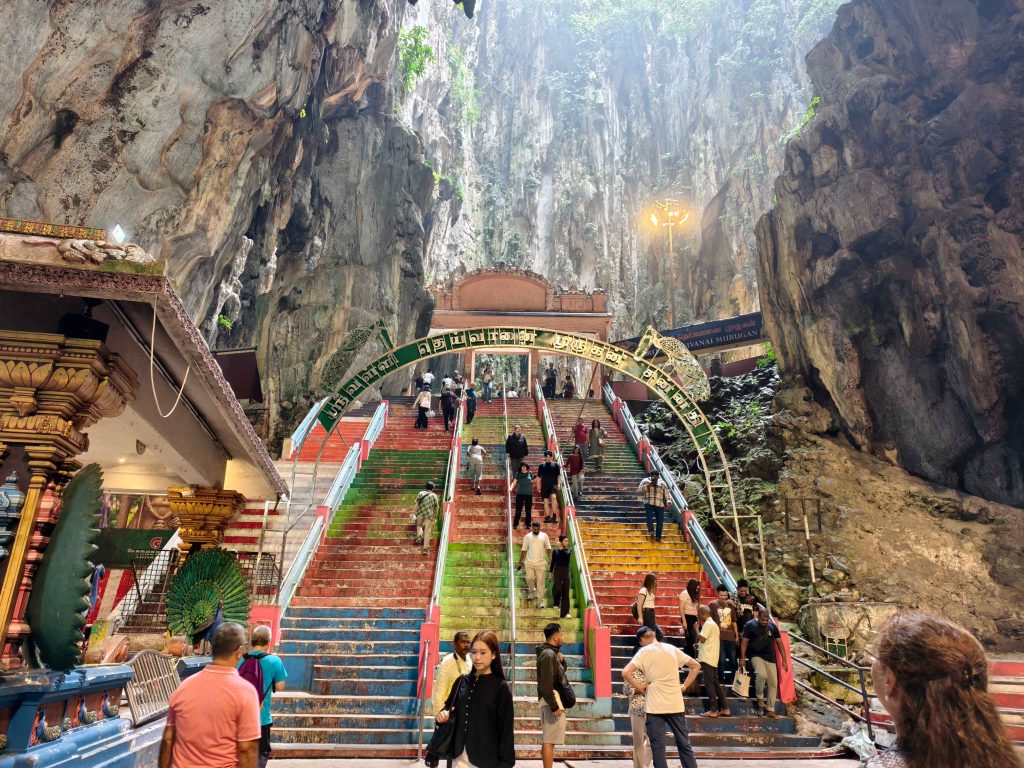
- Visit Batu Caves and Explore Hindu Heritage
- Discover Kuala Lumpur’s Multicultural Heritage
- Extend Your Batu Caves Cultural Trip with Genting Highlands
Deepavali Wishes You Can Use in Malaysia
The most common greeting is “Happy Deepavali!” in English. In Malay, you can say “Selamat Hari Deepavali!”, while the common Tamil greeting is “தீபாவளி நல்வாழ்த்துகள்!” (Deepavali Nal Valthukal!).
| English | Malay | Tamil |
|---|---|---|
| Happy Deepavali! | Selamat Hari Deepavali! / Selamat Menyambut Deepavali! | தீபாவளி நல்வாழ்த்துகள்! |
| May your life be filled with light and happiness. | Semoga hidup sentiasa disinari cahaya dan kebahagiaan. | உங்கள் வாழ்வில் ஒளியும் மகிழ்ச்சியும் நிறைந்திருக்கட்டும்! |
| Wishing you and your family peace, joy, and prosperity. | Semoga sekeluarga dikurniakan kedamaian, kegembiraan dan kemakmuran. | உங்களுக்கும் உங்கள் குடும்பத்தினருக்கும் அமைதி, மகிழ்ச்சி மற்றும் செழிப்பு கிடைக்க வாழ்த்துகள்! |
Travel Tips for Visiting Malaysia During Deepavali
- Check the Public Holiday Calendar: Deepavali is a public holiday in all Malaysian states except Sarawak, and schools receive an extra holiday on 9 November 2026.
- Expect Busy Shopping Areas: Little India neighbourhoods, markets, jewellery stores, and Indian clothing shops can get crowded during the festive shopping period.
- Plan Around Festive Traffic: Expect heavier traffic as families travel balik kampung and shoppers visit popular festive markets and shopping districts.
- Check Public Transport Schedules: Check holiday operating schedules and book your bus tickets early, especially for intercity journeys during the festive long weekend.
- Check Business and Attraction Hours: Some Indian-owned shops and restaurants may close for family celebrations, while major attractions and shopping malls may remain open.
- Book Accommodation Early: Reserve your stay in advance, as popular destinations may see higher demand during the Deepavali holiday.
Frequently Asked Questions (FAQs)
No. Although both are significant Hindu celebrations, they have different religious meanings and traditions.
Deepavali is known as the Festival of Lights and celebrates the triumph of good over evil. Thaipusam, on the other hand, is dedicated to Lord Murugan and is associated with acts of devotion, temple processions, and kavadi-bearing devotees.
Yes! Deepavali offers visitors an opportunity to experience Malaysia’s multicultural identity through traditional Indian food, colourful decorations, cultural performances, and open-house celebrations. You can explore Little India neighbourhoods, visit shopping malls with elaborate festive displays, and enjoy the welcoming atmosphere of Malaysian Indian communities.
Some Hindu families choose to follow a vegetarian diet during religious observances as an expression of devotion, discipline, or respect for religious beliefs. However, dietary practices vary between families, and not every Hindu household follows the same restrictions.
Yes, Malaysian Deepavali open houses often welcome friends, neighbours and colleagues from different ethnic and religious backgrounds. It is a great opportunity to experience Indian culture, enjoy festive food and strengthen friendships.
No, bringing a gift is generally not compulsory. However, a festive hamper, a small box of sweets, or chocolates can be a thoughtful gesture to show appreciation to your host.
If you’re planning to visit a Hindu temple during Deepavali, dress modestly and comfortably. Wear clothing that covers your shoulders and knees and remove your footwear before entering designated temple areas. Avoid disturbing ongoing prayers or religious ceremonies and follow instructions from temple staff. Traditional Indian clothing is also a lovely option if you’d like to dress up for the occasion, although it is not compulsory.
About the Author