Raya, or Eid, is one of the most celebrated events in Malaysia, especially Hari Raya Aidilfitri. While the road is most congested during this season, the vibe and atmosphere are unforgettable; you’d find people still travelling around the country. Whether you’re a Malaysian looking for Raya travel tips or a traveller wondering if visiting Malaysia during this time is worth it, this blog is here to tell you about everything you should know before travelling during Raya season.
What is Hari Raya?
Hari Raya in Malay literally means “celebratory day” and is also commonly known as Eid. While there are two types of Eid, Aidilfitri and Aidiladha, Aidilfitri is more widely celebrated. Hari Raya Aidilfitri marks the end of the Muslim fasting month, signifying victory, gratitude and belongingness. As a Muslim-majority country, Malaysia often celebrates Hari Raya extensively, recognising it as a public and school holiday nationwide. While the major celebration lasts only a few days, Raya in Malaysia is often recognised as a full-month occasion. This is when people start travelling to other places, either for casual, impromptu visits or thoroughly planned trips.
Why Travel During Hari Raya
Hari Raya is a time of joy, celebration and connection. To Muslims, it is the time for a reset and improving themselves for the better. People travel to spend time with family and friends, one of the few times they can gather to catch up. For international tourists, this is the perfect time to experience Malay culture by exploring the celebration’s unique elements, such as Open House, Hari Raya dishes, Duit Raya, and Baju Raya.
What to Expect When Travelling During Hari Raya
1. Traffic Conditions & Business Hours
Balik Kampung Tradition
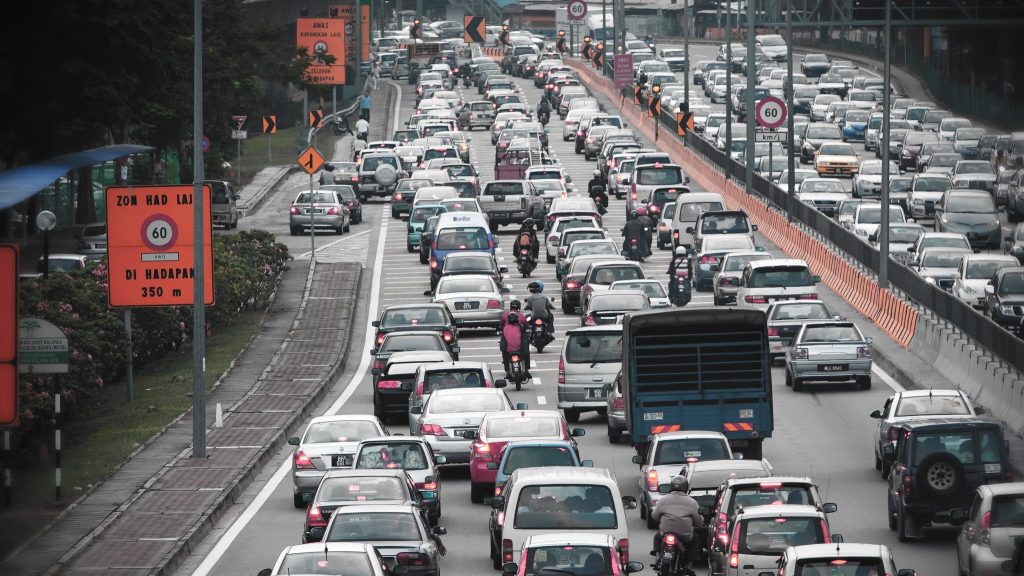
Balik Kampung is a cherished Malaysian tradition in which locals return to their hometown; hence, the meaning “return to the village”. This is where you will find Malaysian roads the most crowded. Expect highway congestion if you are travelling by car at the end of Ramadan to the beginning of Eid (March 19 to March 22, 2026). Ticket demand for other modes of transportation, such as buses and ferries, also surges for these peak dates.
Best Time to Travel during Raya to Avoid Heavy Traffic
There is no guarantee that you won’t experience heavy traffic at all during Raya, but here are some recommended times to reduce the risk.
- On the first few days of Raya, if you want to travel northward (to Perlis, Kedah, Penang, Perak, and Johor), especially by land, start your journey before 10 AM.
- If you want to travel to other states, you can begin your journey in the afternoon, after 1 PM.
- From the 4th day of Raya onward, if you want to return southward, depart before 9 AM.
- Starting the second week of Raya, the traffic conditions should gradually improve. For this time, we recommend travelling between 10 AM and 4 PM, especially from Kuala Lumpur on weekdays, to avoid peak hours.
Ferry vs Flight vs Driving: What’s Better?
Choosing between a ferry, a flight, or driving for Raya depends on your route, budget, and level of flexibility. Flights are the fastest option, especially for long distances between West and East Malaysia, but ticket prices tend to surge closer to Raya, and airports get extremely crowded. Ferries are ideal for island routes, such as between Penang and Langkawi, offering a scenic and relatively stress-free alternative. Driving, on the other hand, gives you full control over your schedule and is perfect for the classic balik kampung experience, but traffic will be crazy on major highways.
Here are our suggestions:
- If you’re heading to an island destination, then a ferry is the best choice.
- If you value speed, fly.
- If you prefer flexibility and family bonding time, drive.
- Make sure to plan ahead and secure your transport tickets early to avoid last-minute stress.
- Travel during off-peak hours (very early or late)
Business & Attractions Operations
Most malls operate as usual during Hari Raya but are most likely crowded from March 20 to March 22, 2026. If you are looking for tourist attractions to visit, avoid coming on those dates as they might be closed following the Hari Raya holidays. Most restaurants and government offices are also closed for the same reason.
2. Atmosphere, Decorations, & Local Celebrations
Ramadan Bazaar (Before Hari Raya)
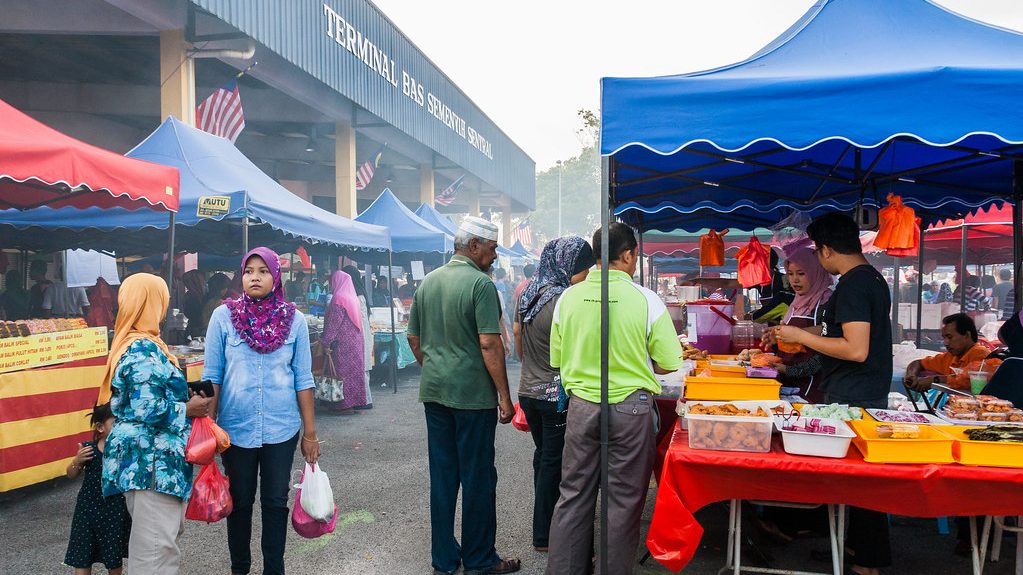
The atmosphere near Hari Raya is special and must be experienced. One day before Eid, the Ramadan bazaars are usually filled with more people than at any other time during the month, not just because it is the last day of Ramadan, but because people from the city return to their hometowns and refuse to miss the last Ramadan bazaar of the year in their own neighbourhood. At this time, it is also common to see stalls selling kuih raya, traditional cookies, and snacks to serve to guests during Eid.
Top Ramadan Bazaars near LRT/MRT/Monorail:
- Bazar Ramadan Wangsa Maju
- Bazar Ramadan TTDI
- Bazar Ramadan Jalan TAR
- Bazar Ramadan Bukit Bintang
- Bazar Ramadan Kampung Baru
Fireworks & Bamboo Oil Lamp Decorations

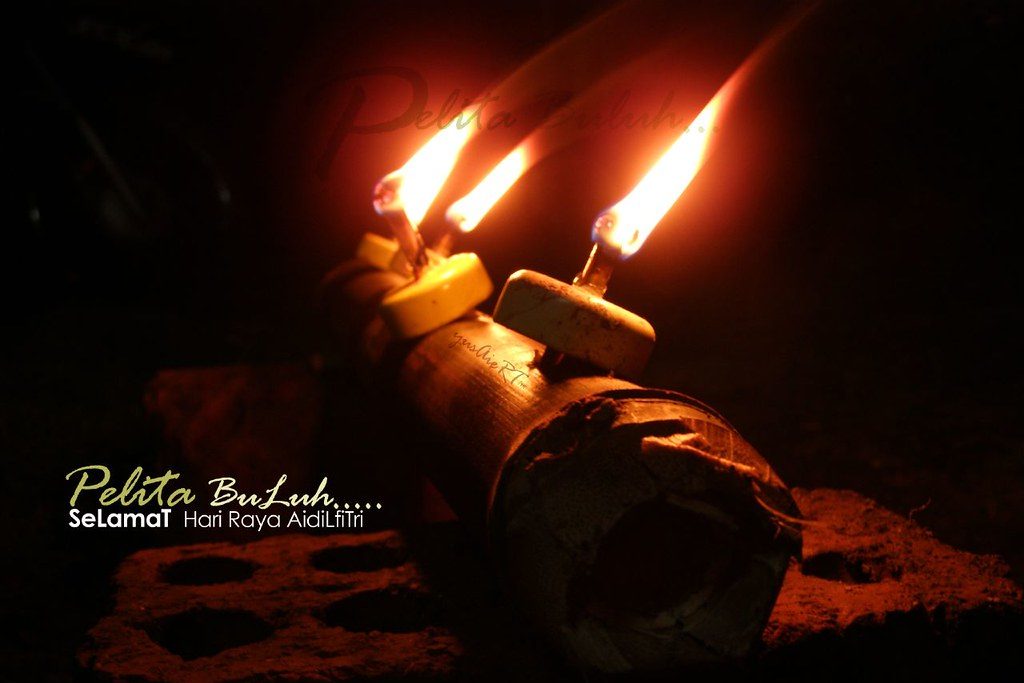
On the last night of Ramadan, you will hear fireworks blasting from 8 PM after the official announcement for the commencement of Malaysia’s Hari Raya Aidilfitri. From the loud, sky-illuminating fireworks to the kid-friendly glowing firecracker sticks, the glow signifies the importance of the Eid celebration. Another meaningful symbol of Hari Raya in Malaysia is the warm oil lamp, also known as lampu pelita, traditionally made of bamboo and placed along walkways or in yards to welcome family members returning home. These oil lamps are also used in public places, such as malls, during the Eid season as decorations.
Takbir & Morning Prayers
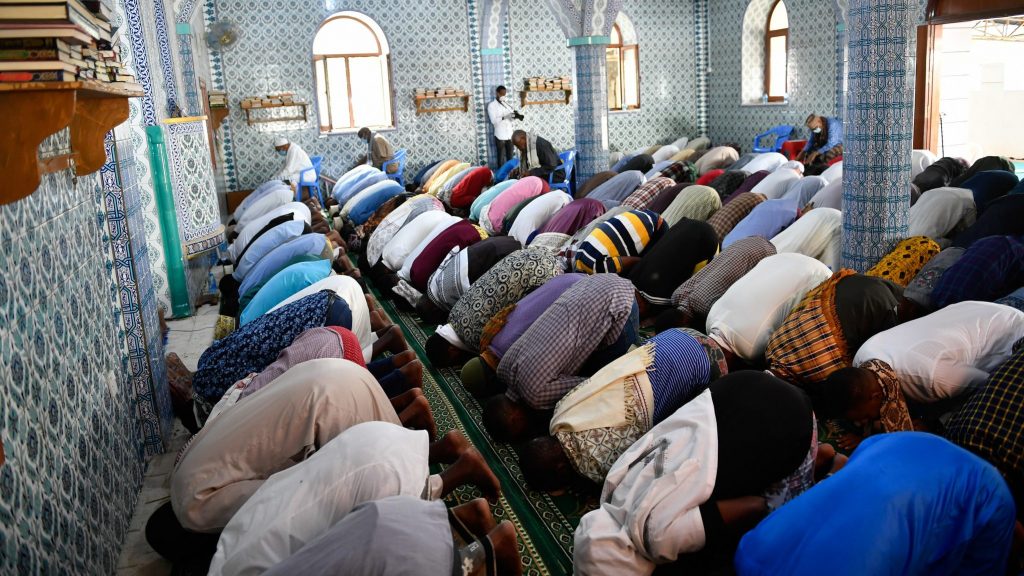
On Eid morning, Takbir, a special recitation marking the end of Ramadan and the victory of completing the fast, will echo melodiously from every mosque. At the same time, the morning prayers called Solat Sunat Aidilfitri are performed in congregation, typically between 7:30 AM and 8:30 AM, before returning home to celebrate the rest of Hari Raya.
Salam & Giving Duit Raya
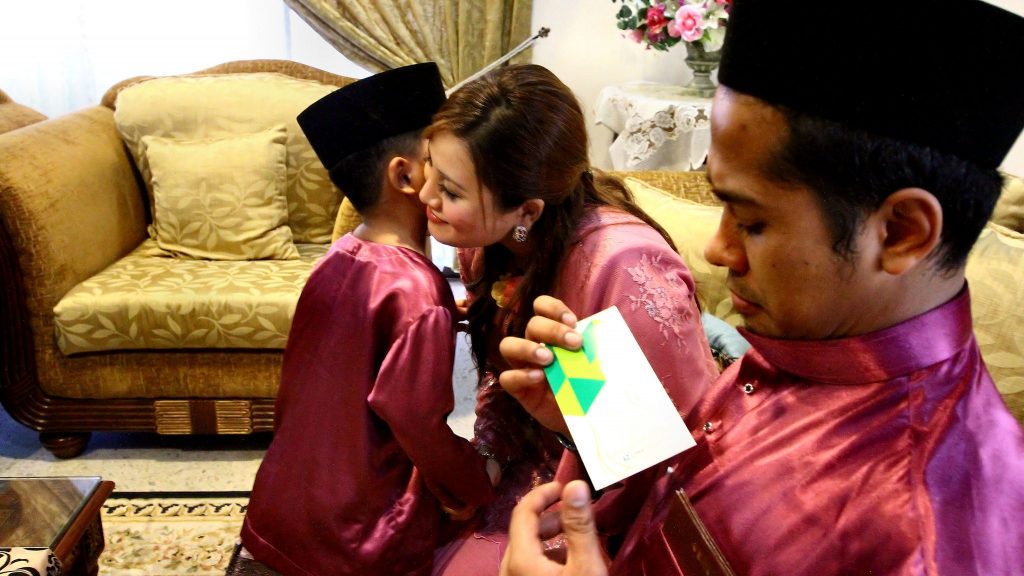
During Eid, Salam is the most significant social tradition of the day, in which family members and friends seek mutual forgiveness and kiss the hands of the elders, exchanging the phrase “Maaf Zahir dan Batin” (forgive my physical and emotional wrongdoings). Following the Salam, elders often give children and young adults envelopes filled with money as a gesture of goodwill.
Open House (Rumah Terbuka)
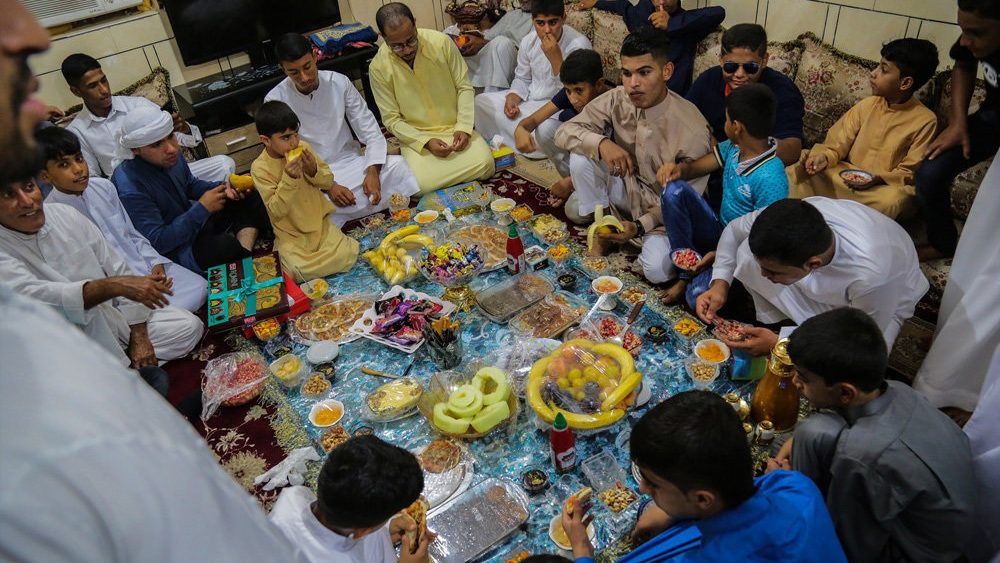
The Open House is a unique Malaysian tradition where families “open their doors” to guests, regardless of race, religion, or social status. Kids usually go around the neighbourhood and receive duit raya from hosts at open houses. This is also where people look forward to the different Raya foods, as each host serves different dishes to their guests.
Some of the most popular Malaysian Hari Raya foods are:
- Ketupat
- Rendang
- Lemang
- Satay
- Kuih Raya
Baju Raya (Raya Outfits)
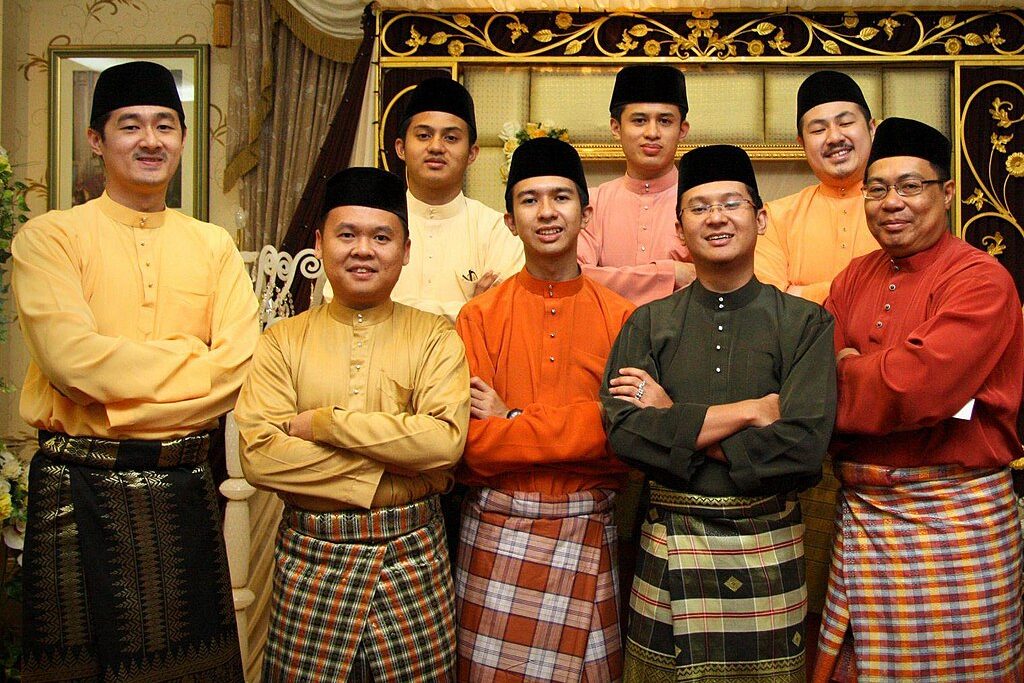
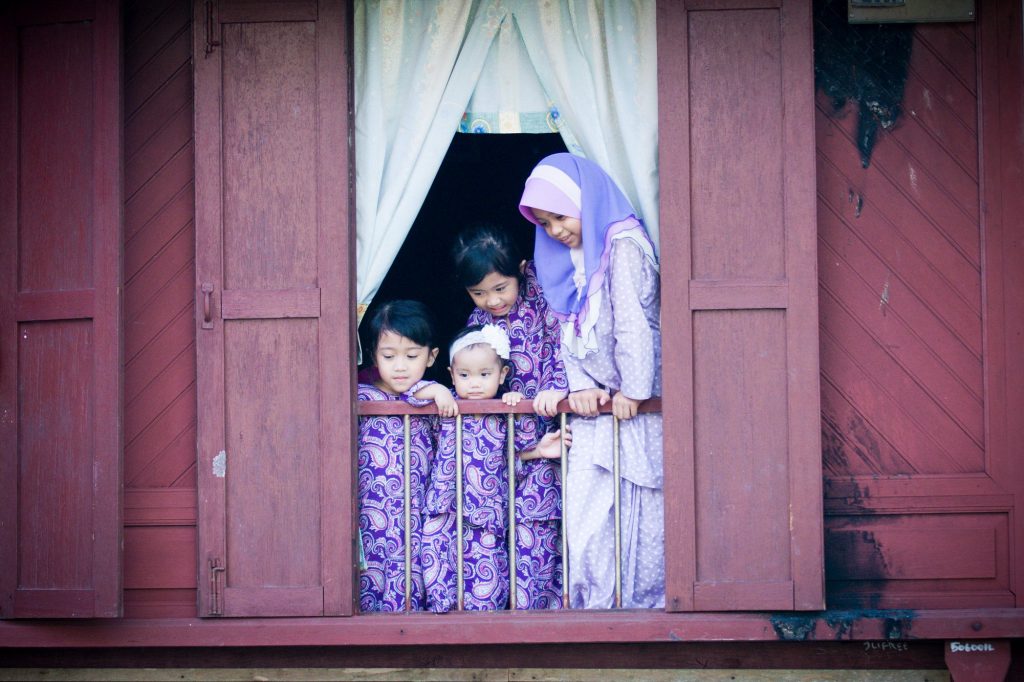
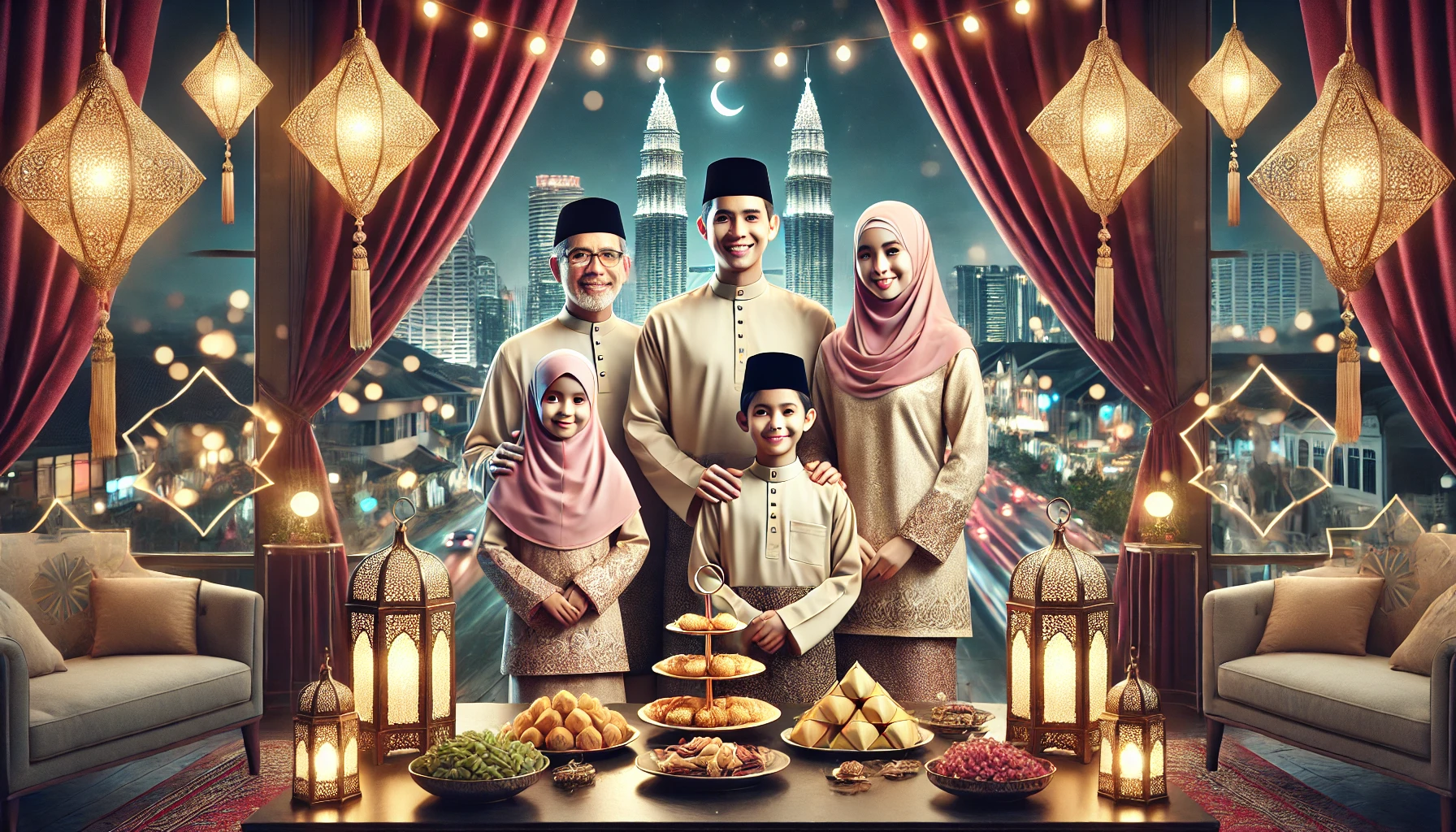
Another important part of Hari Raya is Baju Raya (festive attire), a way to honour the joy of Eid by wearing new, clean and beautiful clothes. For families, there is always a tradition to have a specific colour each year to match the family members. During Eid, you can see how different families wear different colours that match each family member. Traditionally, Baju Melayu is worn by men, and Baju Kurung or Kebaya is the usual attire for women, though many have been modernised in recent years.
Best Things to Do During Hari Raya
For tourists seeking to experience Hari Raya 2026, or locals looking for something different, Malaysia offers a mix of traditional cultural immersions and urban celebrations. Explore all things to do in Malaysia for the best Raya experience.
- Attend Public Open Houses
- Witness Eid Morning Prayers
- Explore Malls & Festive Bazaars
- Visit the National Museum of Malaysia
- Visit Malaysia Heritage Studios
Top Places to Experience Hari Raya in Malaysia
These locations are ideal for experiencing the “heart” of Malay traditions and heritage.
- Kuala Lumpur
- Selangor
- Melaka
- Penang
- Langkawi
Accommodation Guide for Hari Raya
- Besides hotels, consider booking homestays near the Malay villages to experience the Hari Raya atmosphere with the locals.
- Hari Raya is a peak travel time. Book your accommodation at least a month in advance to avoid surge pricing.
- Select accommodations with easy access to city centres or highways, especially if you plan to visit family or explore nearby attractions.
Conclusion
Hari Raya in Malaysia is more than just a festive holiday. For locals, it’s about honouring the balik kampung tradition, reconnecting with loved ones and keeping customs alive. For tourists, it’s a rare opportunity to witness Malaysia at its most vibrant and heartfelt, from colourful festive bazaars to welcoming open houses filled with traditional dishes like rendang and ketupat.
The most important thing to remember is to plan ahead and be culturally respectful. Expect busy highways, crowded transport hubs and adjusted business hours. Whether you’re travelling home or exploring as a visitor, embrace the slower pace, join the celebrations when invited, and experience the true spirit of Malaysia’s Hari Raya. Selamat Hari Raya!
Frequently Asked Questions (FAQs)
In 2026, Hari Raya Aidilfitri is expected to be on Saturday, 21 March 2026, with the second day of the festival on Sunday, 22 March 2026.
Yes, most major tourist attractions in Malaysia, especially in Kuala Lumpur, remain open during Hari Raya. However, please note that some locations may have adjusted operating hours or be closed.
Visiting Malaysia during Hari Raya is excellent if you prioritise cultural immersion, but it requires careful planning to navigate logistical challenges like mass migration, closures, and peak pricing.
For tourists visiting during Hari Raya Aidilfitri, the key rule is to dress modestly to show respect for the religious significance of the occasion. Cover shoulders and knees, opt for loose-fitting clothing, and remove footwear when visiting someone’s house or the mosques.
Common phrases and greetings during Hari Raya include “Selamat Hari Raya” (Happy Eid), “Eid Mubarak” (Blessed Eid), and “Maaf Zahir dan Batin” (Forgive all my wrongdoings in actions and thoughts).
About the Author